
How To Move Fragile Items Safely: Advice From Forster Experts
Moving fragile belongings safely starts well before moving day. If you're choosing a
removalist in Forster, it helps to understand what careful packing actually involves: the right box sizes, enough cushioning and thoughtful loading all make a difference. Glassware, ceramics, artwork, electronics and antiques each need slightly different handling if they are going to arrive in the same condition they left.
Why Fragile Items Need Extra Care During a Move
Breakables are vulnerable to more than obvious drops.
Boxes move slightly while being carried, stacked and transported, and even small amounts of pressure can damage glass, ceramics or delicate electronics if items are packed too tightly or left with empty space around them.
Fragile items may also have unusual shapes or weak points. A wine glass stem, picture-frame corner or ceramic handle can break even when the rest of the item is well protected.
That is why moving fragile items safely is less about using as much packing material as possible and more about protecting the vulnerable parts, stopping movement inside the box and choosing packaging that suits the item.
Common Mistakes People Make When Packing Breakables
One of the most common mistakes is overloading a box because there is still space available.
Heavy boxes are harder to carry safely, and placing heavier items on top of delicate ones increases the chance of damage. Other common mistakes include:
- Using boxes that are already crushed or weakened
- Leaving empty space that allows items to move
- Wrapping several fragile pieces together
- Packing heavy and delicate items in the same box
- Using too little cushioning around the base and sides
- Allowing glass or ceramic pieces to touch directly
- Forgetting to label fragile boxes clearly
Another mistake is leaving delicate packing until the last minute. Breakables are easier to protect when there is time to sort them by type and pack them deliberately rather than filling whatever boxes remain on moving day.
Choosing the Right Packing Materials for Fragile Items
Good packaging starts with a sturdy box that suits the weight and dimensions of the contents.
Useful materials for packing fragile items include:
- Strong moving cartons
- Bubble wrap
- Packing paper
- Dividers for glassware where appropriate
- Packing tape
- Protective blankets for larger items
- Specialised boxes for awkward or valuable pieces
Avoid relying on newspaper directly against delicate surfaces where ink transfer could be a concern.
The base of the carton should also have enough cushioning to protect against minor knocks when the box is put down. Once packed, any remaining gaps should be filled so the contents cannot shift from side to side.
The aim is not to compress everything tightly. Fragile items need cushioning as well as stability.
How to Wrap and Cushion Glassware, Ceramics and Crockery
Glassware and crockery are best packed piece by piece.
Start by wrapping each item separately, paying extra attention to handles, stems and thin edges. Plates generally benefit from being packed upright rather than laid flat in a heavy stack, with cushioning between individual pieces.
For glasses and mugs, fill hollow spaces with packing paper before wrapping the outside. Avoid pushing material too firmly into thin glassware, as excessive pressure can create its own risk.
Ceramics should not be allowed to knock against each other inside the carton. Once everything is packed, gently check whether there is movement before sealing the box.
For large collections, professional packing services can also reduce the time and uncertainty involved in preparing fragile belongings for transport.
Packing Electronics, Artwork and Antiques
Some items need more than standard wrapping because their value comes from sensitive internal components, unusual dimensions or irreplaceable finishes.
Electronics
If the original box and moulded packaging are still available, they are often useful for televisions, monitors and other electronics.
Before packing:
- Back up important data
- Disconnect cables carefully
- Photograph connections if helpful for reassembly
- Pack cables and accessories together and label them
- Protect screens from direct pressure
Artwork
Framed artwork should have its corners protected and should not be packed with loose objects that could press into the frame or surface.
Glass-fronted pieces need particular care because damage to the glass can also affect the artwork underneath.
Antiques
Antiques can have delicate joints, aged finishes or components that are difficult to replace. Avoid taping directly onto polished surfaces, timber finishes or fabric.
Large antique cabinets, glass-top tables and other substantial pieces may be better treated as part of professional
furniture removals rather than being handled like ordinary cartons.
Labelling Boxes So Nothing Gets Missed
A clear label should tell the person carrying the box more than simply which room it belongs in.
For fragile cartons, include:
- FRAGILE
- The destination room
- Which way the box should remain upright where necessary
- A brief description such as “glassware” or “ceramics”
Labels should be visible from more than one side so they can still be read after boxes are stacked.
It can also help to keep an inventory of particularly valuable or sentimental items. Numbering boxes and keeping a simple list makes it easier to check that everything has arrived before unpacking is finished.
Once the fragile items are organised, this guide on how to
prepare for a house removalist can help with the wider moving-day preparation.
How Professional Removalists Load and Transport Fragile Items
Careful packing is only half the process. How boxes and furniture are loaded into the truck also matters.
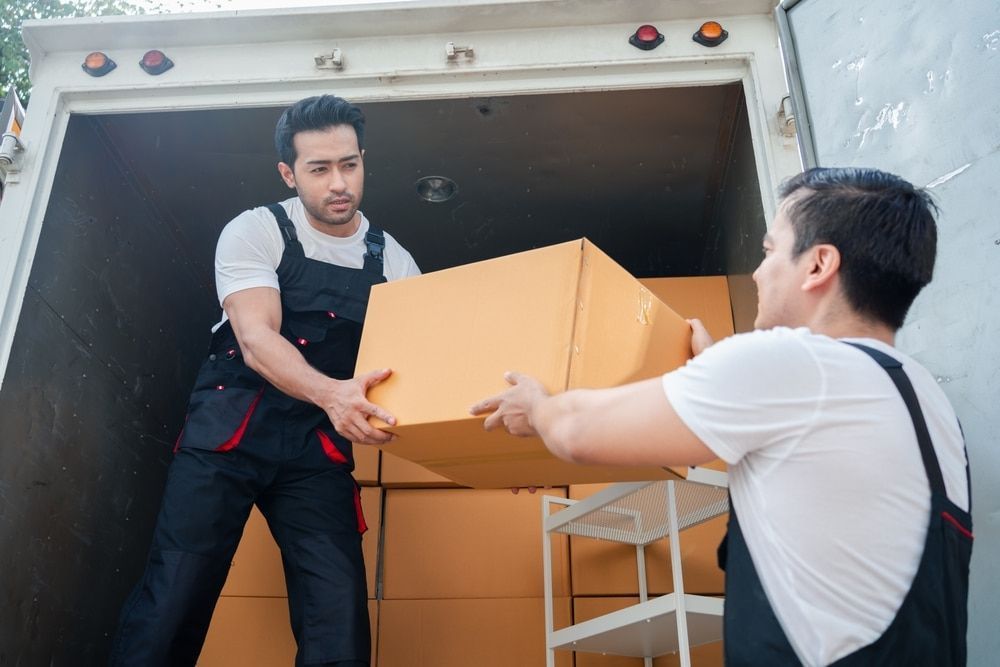
Fragile cartons should not sit beneath heavy furniture or boxes that could crush them. Larger delicate pieces need to be positioned so they are protected from shifting loads, while furniture blankets and other protective equipment can help prevent knocks and surface damage.
Good loading also considers weight distribution. Heavy, stable items generally form the foundation of the load, while lighter and more delicate belongings need positions where they are not carrying unnecessary weight.
For Forster Tuncurry removals, this becomes particularly useful when a household has a mixture of furniture, appliances, cartons, glassware and sentimental pieces that all need to travel together.
When to Call in Professional Packing Help
DIY packing can work well when there is enough time, suitable materials and a manageable number of belongings.
Professional help becomes more useful when:
- There is a large volume of glassware or crockery
- Antiques or heirlooms need moving
- Artwork requires careful handling
- Several televisions, monitors or office electronics are involved
- An elderly resident needs assistance preparing for a move
- Time is limited before moving day
- A business is relocating delicate equipment
- The household simply does not want to risk packing valuable items incorrectly
Using a packing service does not necessarily mean handing over the entire move. Help can be particularly valuable for the delicate or time-consuming parts while other everyday belongings are packed independently.
Find a Trusted Removalist in Forster
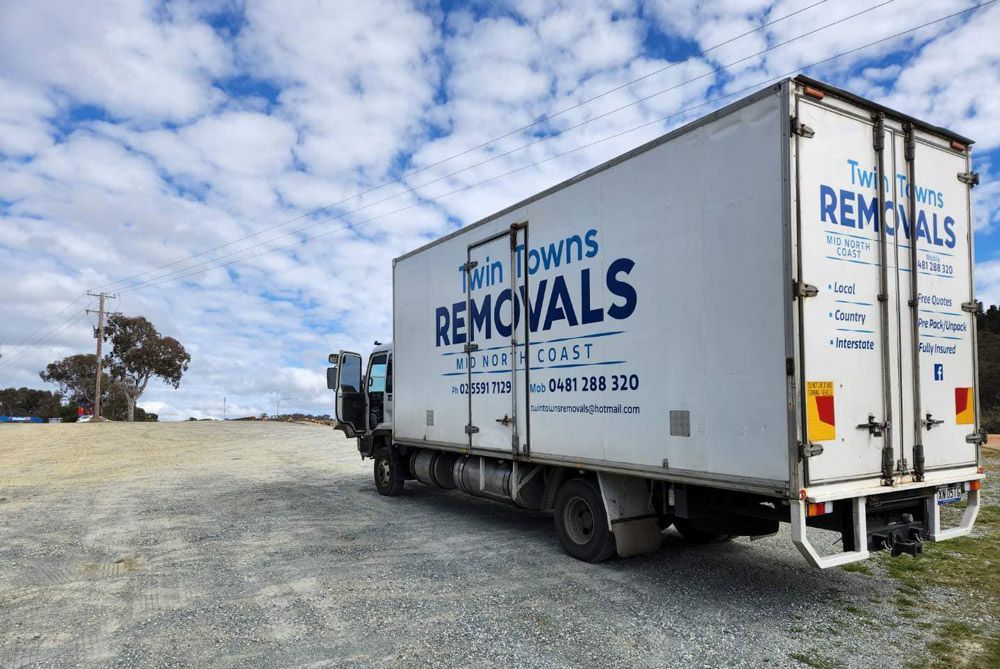
At Twin Towns Removals Mid North Coast, we provide professional packing, furniture removals and local and interstate moving services for customers across Forster, Tuncurry and the Mid North Coast. Our team has more than 20 years of industry experience and is AFRA accredited, with packing services available for fragile goods, antiques and other belongings that need extra care.
If you're looking for a
removalist in Forster who can help with everything from careful packing through to loading and transport,
get in touch to discuss your move and request a free quote.
FAQs