
How To Prepare For A House Removalist
Knowing how to prepare for a house removalist can make moving day quicker, safer and much less stressful. Pack and label your belongings before the removalists arrive, make sure there is clear access between your home and the truck, and let your removalist know about stairs, parking restrictions or difficult items in advance.
At Twin Towns Removals, our local removalists help households across Forster, Tuncurry, Taree, Gloucester and the wider Mid North Coast prepare for moves of all sizes. A little organisation beforehand means the removal team can focus on safely loading, transporting and unloading your belongings on the day.
How Should You Organise and Label Your Belongings?
Before moving, organise your belongings room by room. Keeping kitchenware, bedroom items, bathroom products and other household belongings together makes packing easier and tells your removalists exactly where each box belongs at the new property.
Use a simple labelling system rather than writing something vague like "household items" on every box. For example:
- KITCHEN – PLATES – FRAGILE
- MAIN BEDROOM – CLOTHES
- BATHROOM – TOWELS
- STUDY – BOOKS – HEAVY
Write the label on the top and at least one side of each box. That way, your removalists can still identify it when several boxes are stacked together. You can also assign each room a different coloured sticker or piece of tape. The system doesn't need to be complicated; it just needs to make it obvious where everything goes. Keep medication, important documents, keys, jewellery, chargers and other essentials separate from your general boxes. These are items you'll usually want to keep with you rather than load onto the moving truck.
When Should You Start Packing for a House Move?
Packing is one of the most time-consuming parts of moving, so don't leave the entire job until the final weekend. Starting several weeks ahead gives you time to declutter, pack carefully and deal with belongings that need extra attention. A simple moving timeline can help.
Around Six Weeks Before Moving
Start with cupboards, garages, sheds, spare rooms and belongings you rarely use. Decide what you'll keep, donate, sell or dispose of rather than automatically moving everything to the new house.
This is also a good time to confirm your removalist booking and discuss anything unusual about the move. Tell your removalist about large or heavy furniture, stairs, apartment access, narrow driveways and other conditions that could affect loading.
Around Two Weeks Before Moving
Pack non-essential items such as books, decorations, spare linen, seasonal clothing and kitchen equipment you won't need before moving day. Work through one room at a time and label boxes as you pack them. Avoid mixing belongings from several rooms into the same box simply because there's space left. Keeping boxes organised now will save time when you're trying to unpack at the other end. Don't have enough time to pack the entire house? Twin Towns Removals offers a professional
packing service if you'd prefer help preparing your belongings for transport. If your move-out and move-in dates don't line up,
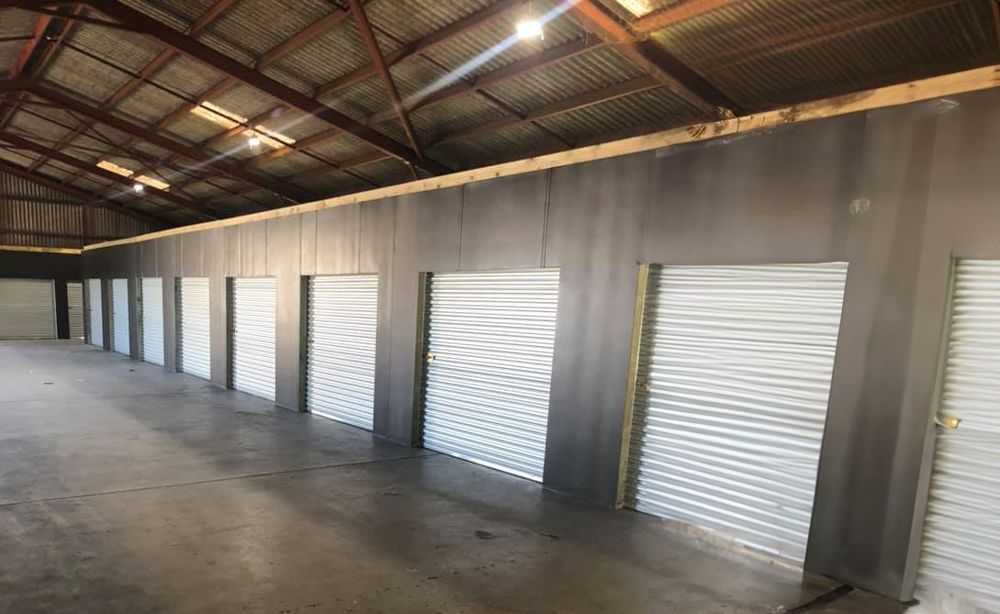
storage solutions can also help bridge the gap instead of forcing you to move everything twice in a rush.
The Day Before and Moving Day
By the day before your move, most belongings should be boxed and labelled. Prepare a separate essentials bag or box containing medication, toiletries, chargers, paperwork, a change of clothes and anything else you'll need immediately. Do a final check of cupboards, wardrobes, the garage, outdoor areas and storage spaces before the truck leaves.
How Do You Create a Clear Path on Moving Day?
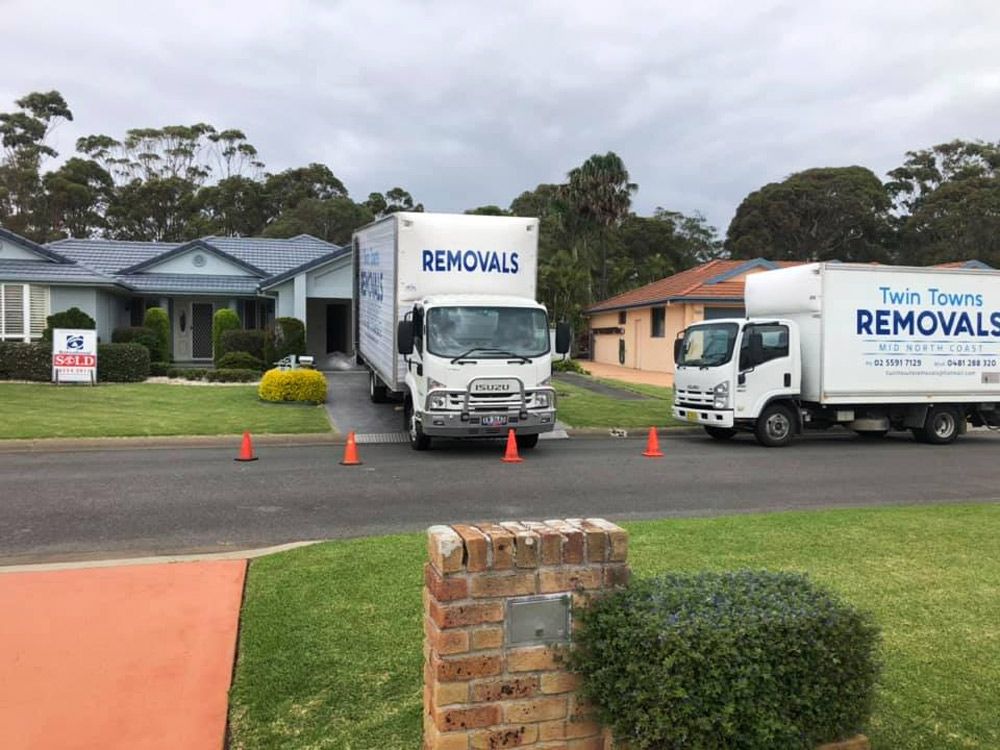
On moving day, your removalists need safe access to the property and a clear route between your furniture and the moving truck. Clear boxes, shoes and other obstacles from doorways, hallways and stairs before the team arrives.
Parking is equally important. Ideally, the truck should be able to park as close to the property as practical without blocking unsafe or restricted areas. This can require extra planning on some Mid North Coast moves. Forster and Tuncurry apartment moves, for example, may involve stairs, lifts, shared entrances or limited street access. Some properties around Taree have narrow residential streets, while rural properties around Gloucester can involve longer driveways or different vehicle-access considerations.
If you're moving from an apartment, check whether you need to book a lift or loading area with building management. If parking restrictions or permits apply at either address, organise them before moving day.
Tell your removalist about these conditions when booking. Knowing about stairs, steep driveways, narrow entrances, long carrying distances or limited parking beforehand helps the team prepare appropriately.
Example: If you're moving from a second-floor apartment in Forster, don't wait until the truck arrives to mention that the building requires lift bookings and has limited loading access. Providing those details beforehand gives your removalist the opportunity to plan the move around the property's actual conditions.
How Should You Prepare Furniture for the Removalists?
Remove loose belongings from furniture and check with your removalist about whether particular pieces need to be emptied or dismantled. Large beds, tables, wardrobes and other bulky items may need some preparation before they can be safely moved through doorways or down stairs. Fragile furniture and belongings also need appropriate protection during loading and transport. If you're unsure what professional movers do with larger or delicate pieces, read more about how removalists protect your furniture from damage.
Local conditions are worth considering as well. Around coastal areas such as Forster and Tuncurry, avoid leaving cardboard boxes or packed belongings exposed outside where moisture and humid conditions can weaken packaging or affect moisture-sensitive items.
What Should You Do With Kids and Pets on Moving Day?
Children and pets can easily end up in the path of removalists carrying boxes and heavy furniture. Open doors and gates also make it easier for pets to escape during the move.
Where possible, arrange for someone to supervise young children or pets away from the main loading area. Otherwise, keep them in a secure part of the property that doesn't interfere with the route between the house and truck.
Keep pet carriers, leads, food and children's essentials somewhere accessible rather than packing them deep inside the truck. If you're moving with kids or pets, planning for them before moving morning can make the day easier and safer.
What Should Be on Your Moving Day Checklist?
Before your removalists arrive:
- Finish packing and clearly label your boxes.
- Keep valuables, documents, medication and essentials with you.
- Confirm access and parking at both properties.
- Book apartment lifts or loading areas if required.
- Clear hallways, stairs, doorways and entrances.
- Tell your removalist about heavy, fragile or unusual items.
- Check whether any furniture needs dismantling.
- Keep children and pets safely away from loading areas.
- Complete a final check of cupboards, sheds and storage areas.
- Make sure your removalist can contact you throughout the move.
If you're still researching removalists in Forster, look at factors such as local experience, accreditation, insurance and the services available for your particular move.
Getting Ready To Move House?
Preparing before moving day doesn't mean you need to do everything yourself. The important part is knowing what needs to be packed, what your removalists will handle and whether there are any access or timing issues that need to be sorted out beforehand. At Twin Towns Removals, we provide removal, packing and storage services across Forster, Tuncurry, Taree, Gloucester and surrounding areas. As an AFRA-accredited removalist, our team can help you plan the practical details before moving day. Ready to get moving? Contact our team to discuss your move and get a quote.
Frequently Asked Questions